Urban Bounty Community Gardens are all located in public parks and school yards on City land. That means that our gardens are designed to be welcoming, inclusive spaces. They host a wide variety of community-members, including gardeners, dog-walkers, children, and biodiverse wildlife!
Gardening in a public space comes with different benefits and challenges than gardening in a private yard. Community gardeners gain an opportunity to make new friends, and share gardening knowledge, seeds, and support. However, public community gardens also come with the risk that you may not get to harvest all of what you plant. As an organization and as gardeners, we have a variety of ways to prevent crop loss, whether it be to people, rabbits, or a late frost.
We can plan for our gardens to be more resilient through using strategic, creative planting techniques. These planting ideas have been tested by Urban Bounty in our community gardens.
Here are some of our favourite tips for community growing:
Grow unusual beauties
To avoid loss in the garden, try growing unusual vegetables that hide in plain sight. Passersby are less likely to be tempted to harvest produce that they don’t immediately recognize – and you get to try stunning heirloom varieties that are hard to find elsewhere!
- Green Zebra Tomatoes stay green and stripy into maturity, camouflaging ready-to-harvest fruit as unripe. They’re a tart, zingy tomato variety – great for salads or eating off the vine.
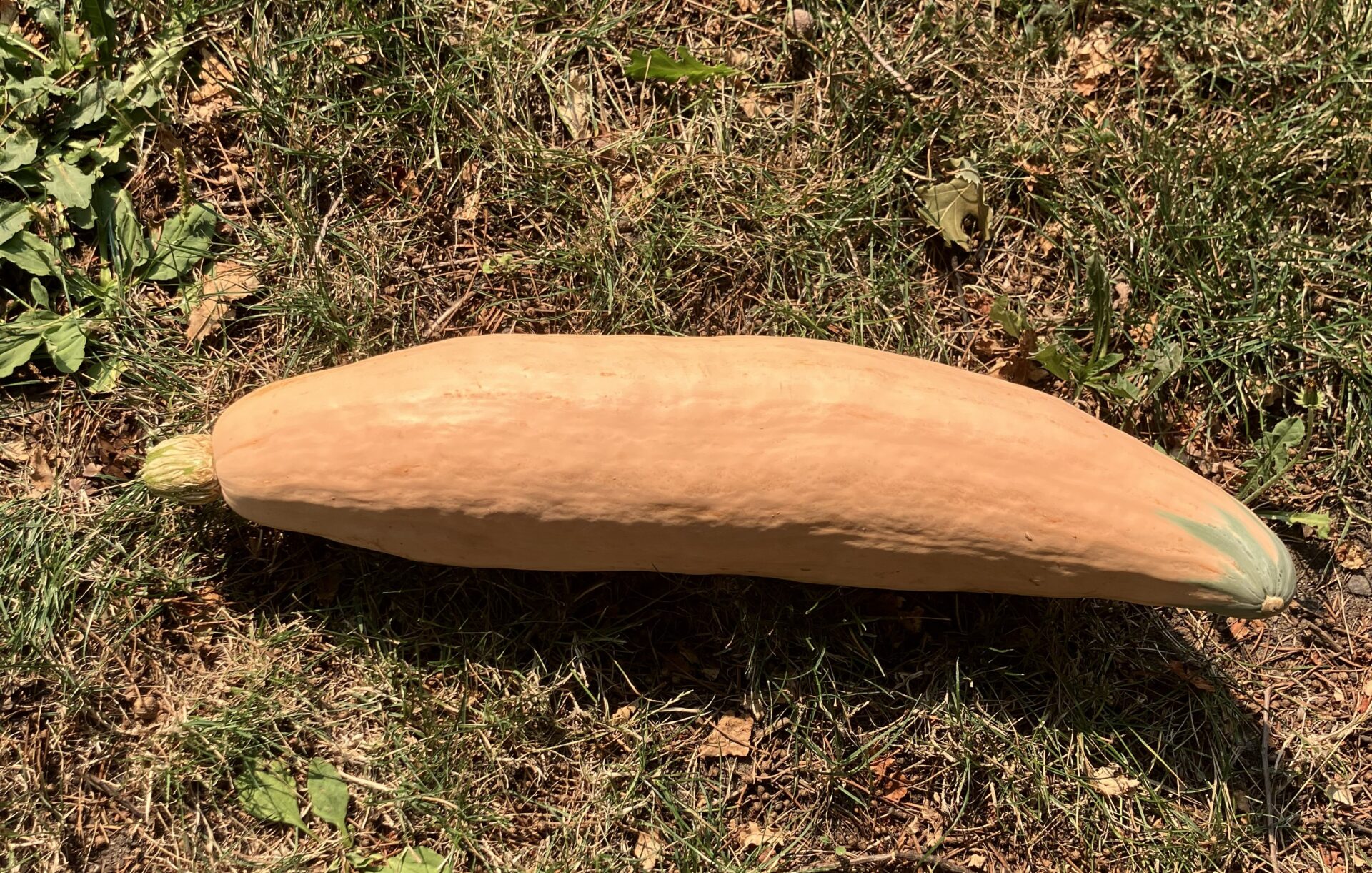
- Jumbo Pink Banana Squash looks lumpy and salmon-coloured on the outside, but tastes delicious! People are less likely to take squash that look a little different.
- Purple broccoli or purple beans taste delicious, but are less tempting than typical green varieties.
- Rainbow carrots look the same on top, but once picked can cause enough confusion to stop any more harvesting!
Plant with permaculture, not in rows. Planting in a dense, permaculture-style makes your garden more productive, and prize crops harder to spot and snag. To learn more about perma- and poly-culture planting, check out this guide.
Plant crops that keep giving
Vegetables that provide multiple harvests, like lettuce, spinach and other greens, can be cut and regrown repeatedly over the season. If a rabbit or person nibbles some off, it will grow back.
Plant underground
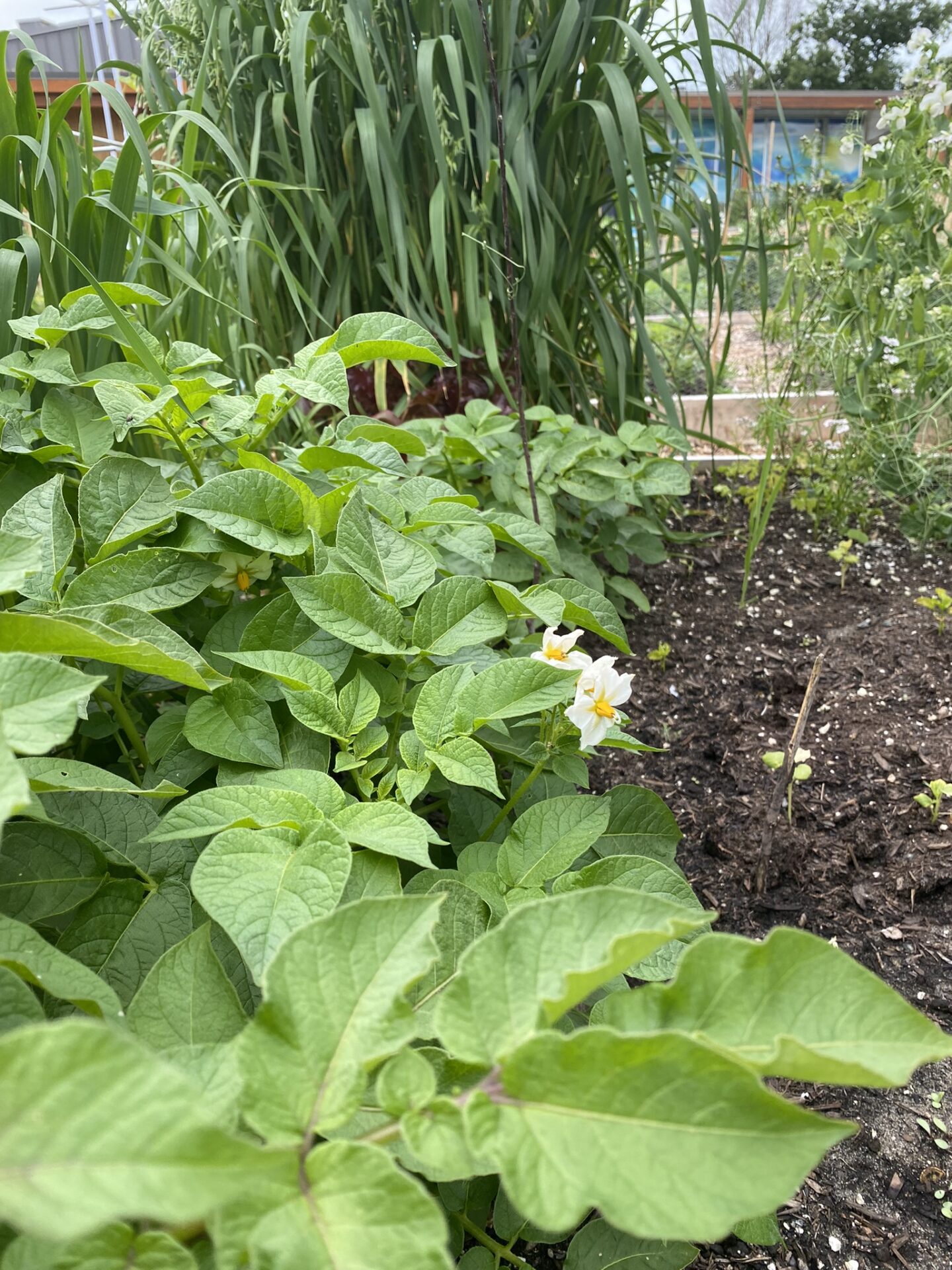
Grow potatoes, parsnips, carrots, beets, and other crops that mature out of site. You can also mix underground crops with above-ground plants to serve as camouflage!
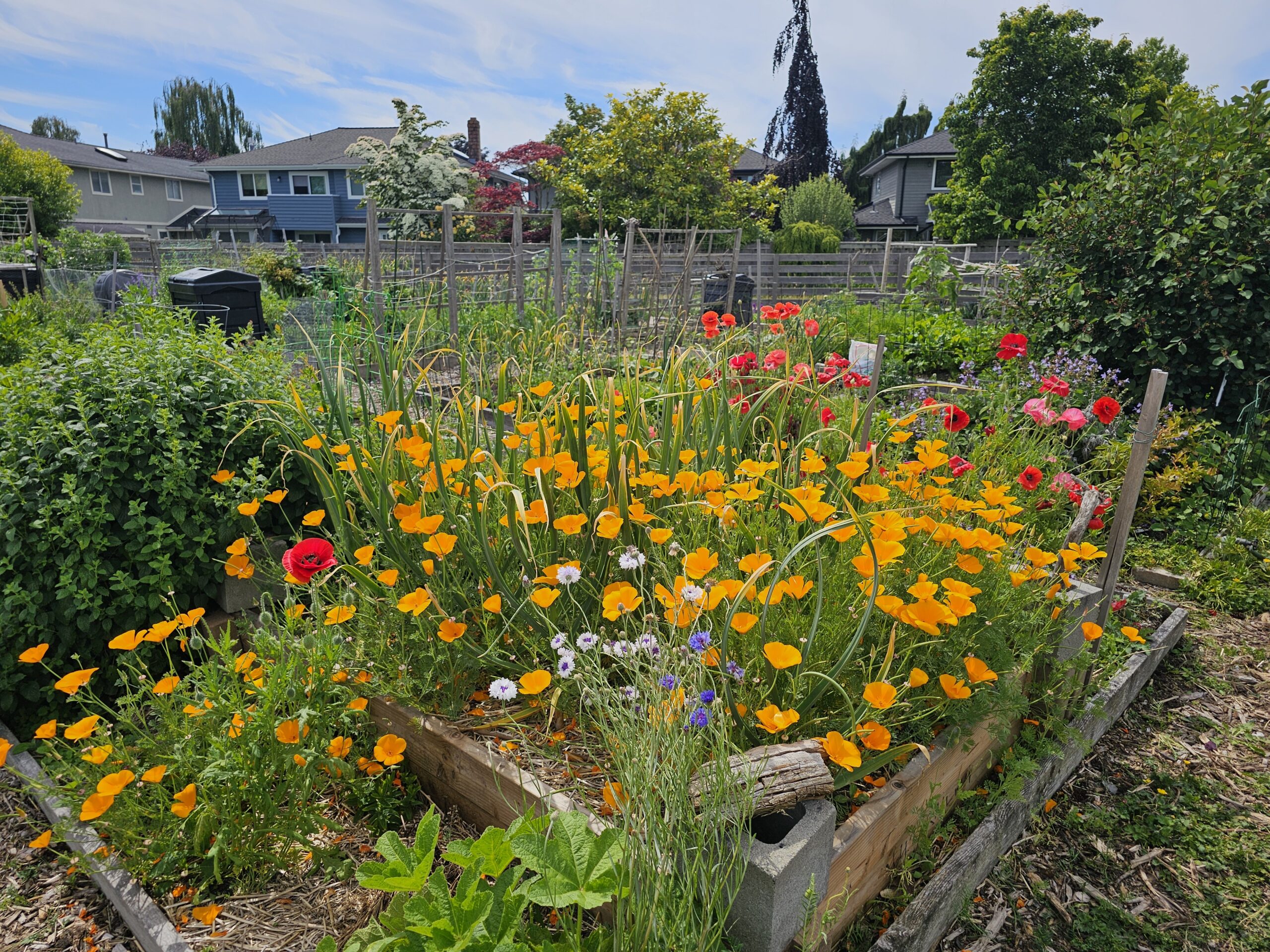
For example, try planting garlic in the fall, then intercrop calendula seeds in early spring. While garlic bulbs take up subsurface real estate, the calendula (a beautiful and medicinal orange flower) creates a bushy shield around the garlic stems to hide them from sight.
Native wildflowers
Native wildflowers are an amazing addition to support native pollinators (which are different from invasive European honeybees). They are also often hardy, drought-tolerant, and beautiful. Grow them as a border around your plot to attract pollinators to your crops, and to shield your crops within a floral hedgerow.
Suggested varieties: California Poppies, Lupines, Yarrow, Aster, Fireweed, Sweet Alyssum, Blue Flax, Pacific Northwest Blend by West Coast Seeds
Corn, beans, and squash
Corn, beans, and squash (also called the Three Sisters) have been grown together for centuries by Indigenous farmers in the North American Southwest and Mesoamerica. Corn supports the beans, beans replenish the soil, and squash covers the soil to retain moisture and suppress weeds.
Native strawberries
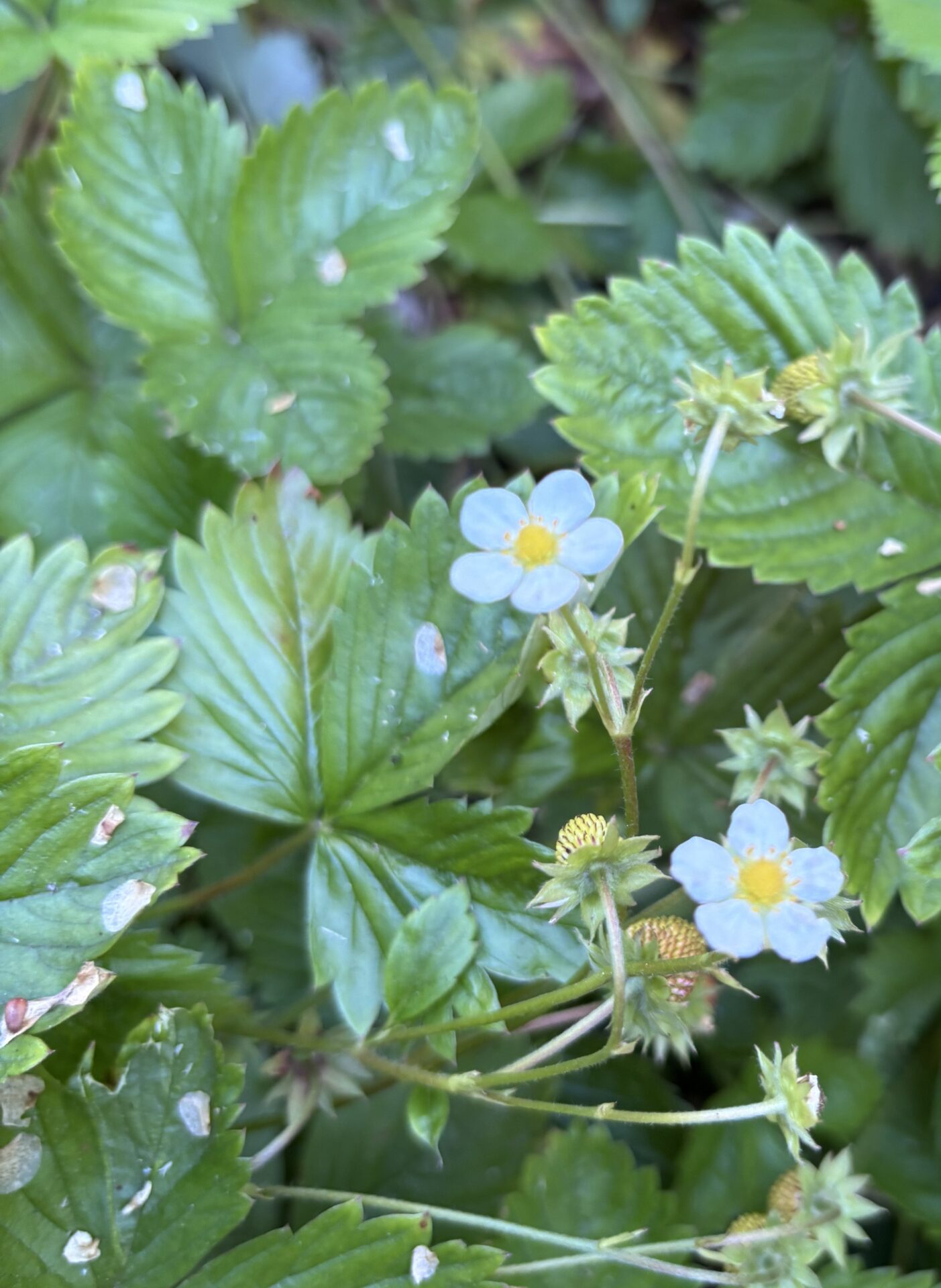
Strawberries are a hearty groundcover to help suppress weeds, reduce soil compaction, and produce delicious berries. Propagate strawberries by removing the daughter plants that form along the runners – the new plant will reroot! They’re a generous plant, making them a good teacher in the garden.
Groundcherry (Physalis peruviana)
Peruvian groundcherries are a sweet South American relative of the tomatillo, with waxy orange fruit that grows in papery jackets. They’re ready to eat when the harvest hits the ground. Simply unwrap the fruit from its natural wrapper and enjoy the snack inside! They are known as aguaymanto in Spanish and topotopo in Quechua, the Indigenous language of the Peruvian Andes.
Groundcherries are great for community gardens because their individually-wrapped fruit are perfect for sharing! They are also relatively unknown in Richmond, so they are less likely to be harvested uninvited by the public.
In the solonacea family (aka nightshades) with tomatoes, eggplants, and peppers, ground cherries have similar preferences: lots of sun, regular, thorough watering, and nutrient-rich soil.


