Urban Bounty’s Seedy Saturday 2026 celebrated seeds — alongside the farmers who harvested them, gardeners who will grow them, and environmental advocates who organize to create better conditions for them to thrive.
Where seeds are sourced matters. BC growers select to save seeds from the plants that thrived in our local environment, making them uniquely suited to our gardens. Seeds are records of the conditions their parents survived. In their genetic information, they carry the resilience of their parent plants, and the care of their growers.
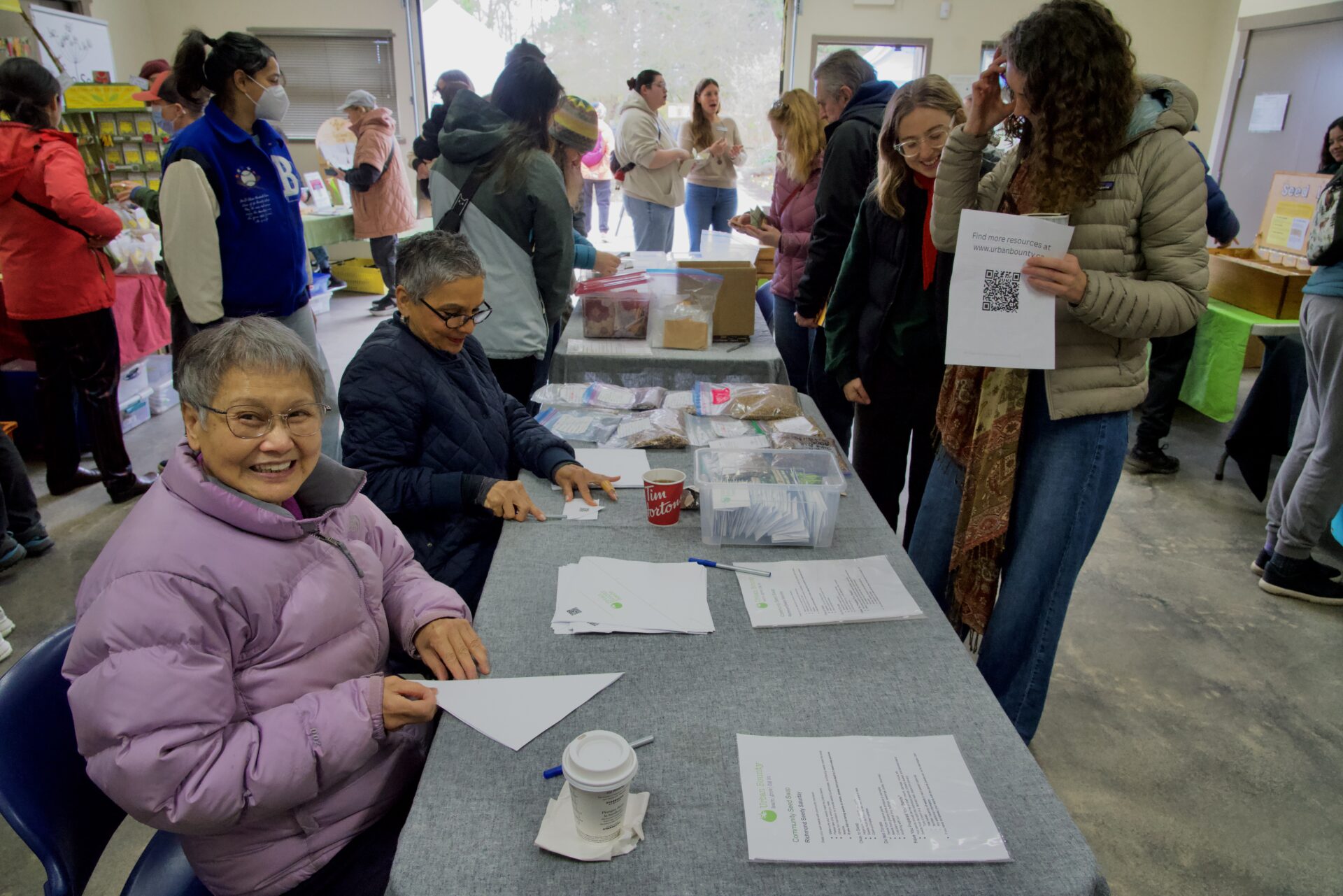
That care was visible on Seedy Saturday. Volunteers packaged seeds into envelopes to distribute, workshop presenters shared knowledge, and people walked away with stronger connections to their local food community.
Seedy Saturday 2026 by the numbers:
- 185+ attendees
- 6 vendors and community partners
- 4 workshops
- 1,351 grams of seeds donated by gardeners
- $4,110.66 raised for Urban Bounty’s Seed Program
Swapping & Selling Seeds
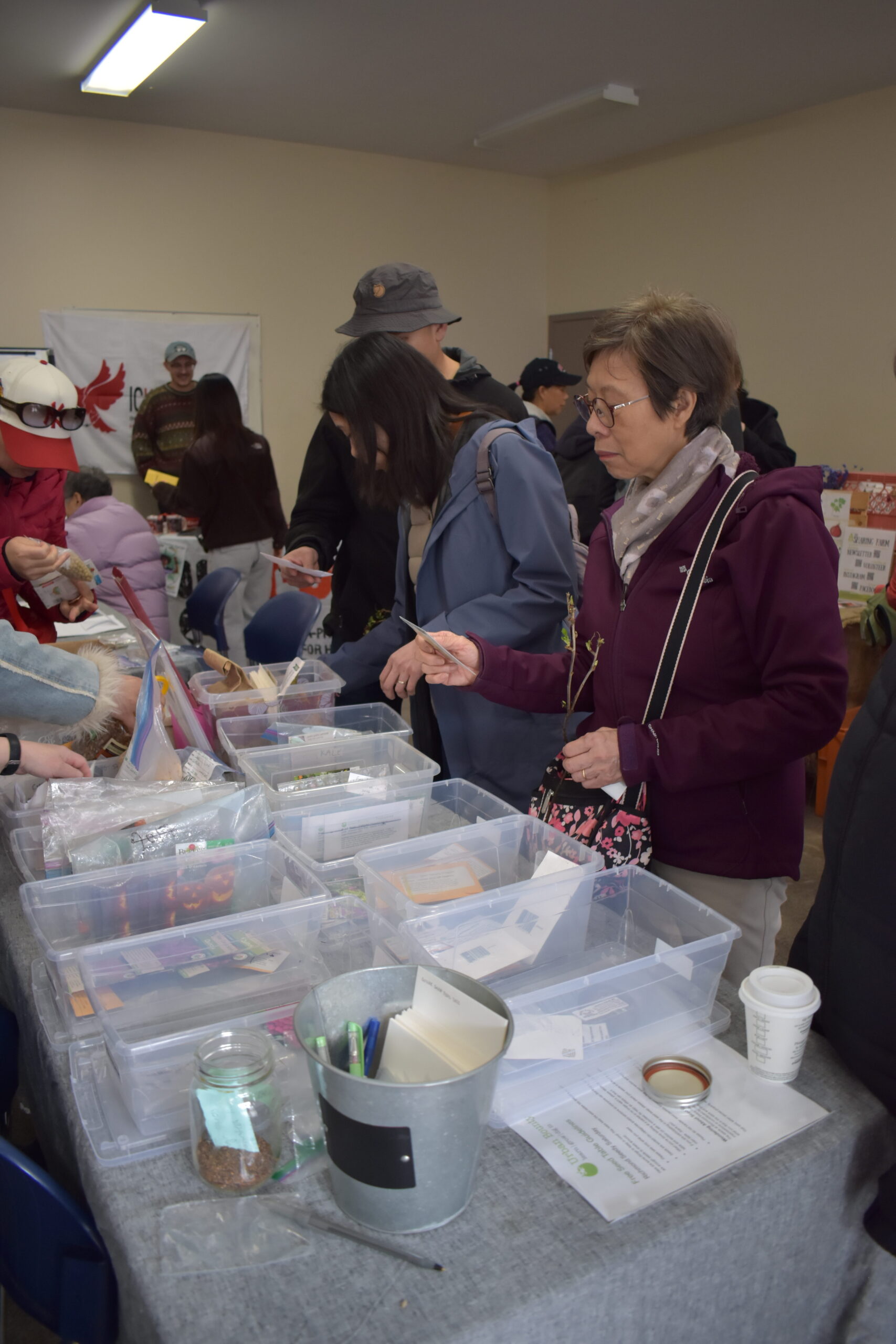
Gardeners from across the Lower Mainland brought seeds to donate, many saved from their own gardens.
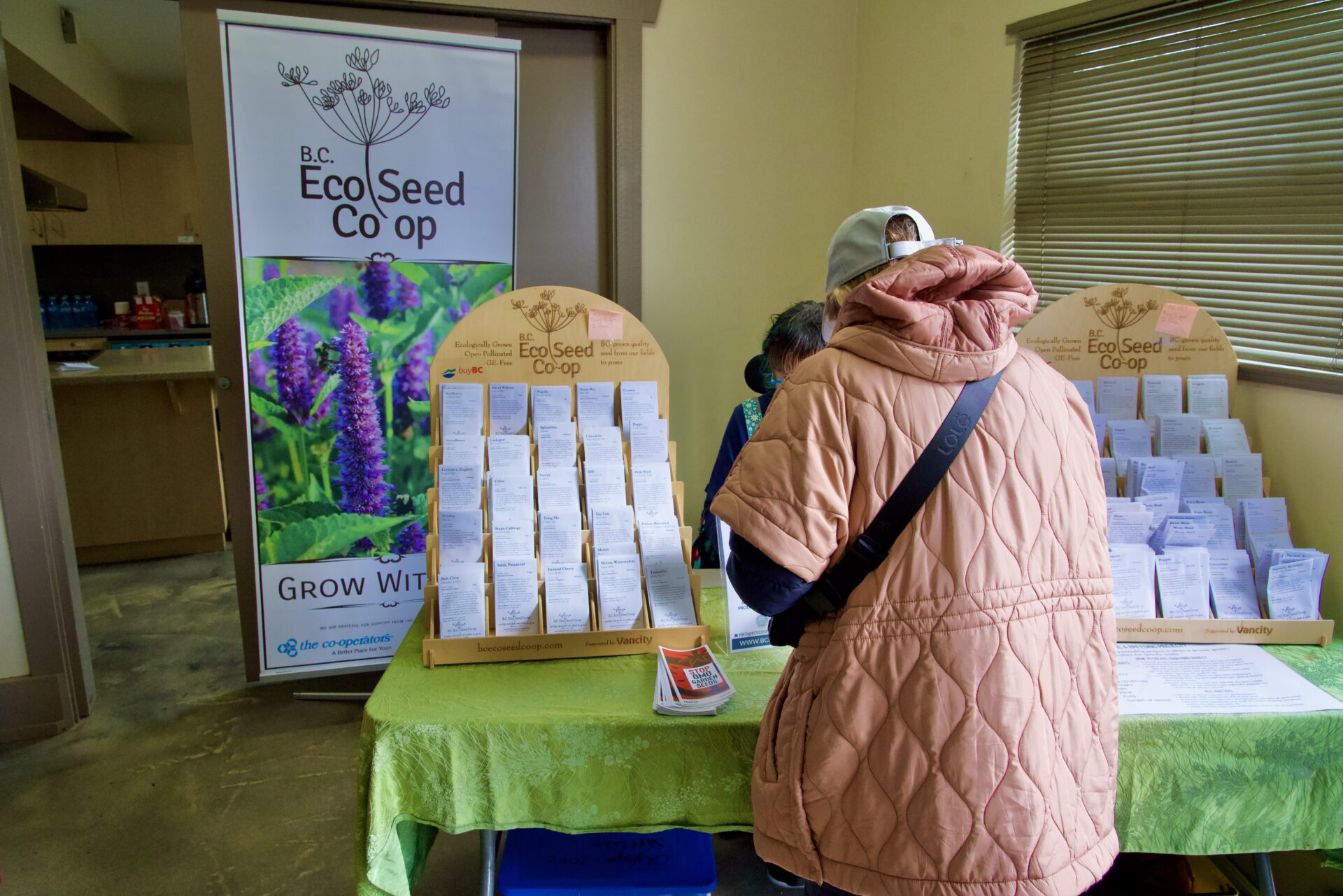
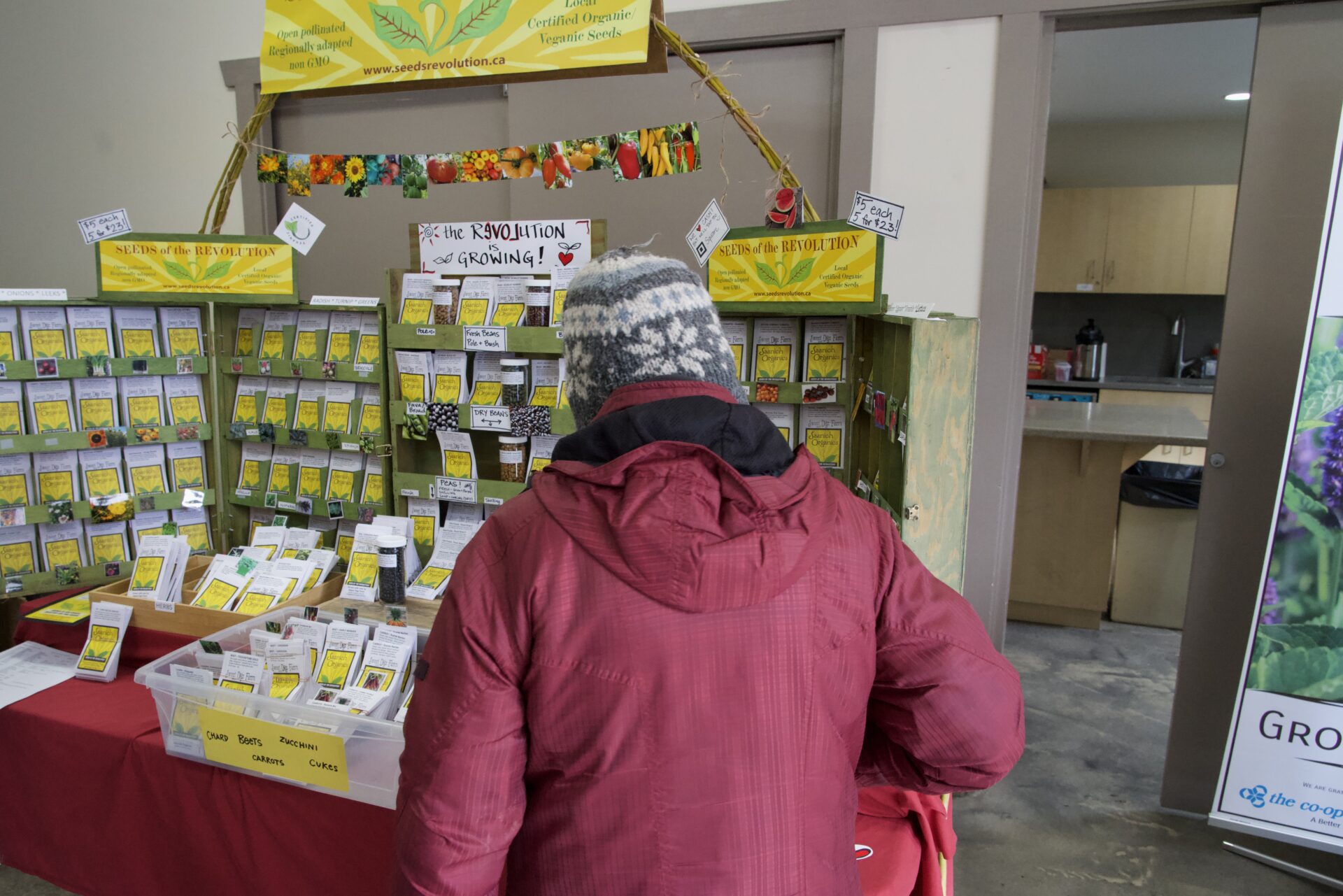
Seedy Saturday Vendors BC Eco Seed Co-op and Seeds of the Revolution sold high-quality, locally-adapted seeds. Buying seeds directly from seed farmers supports a localized food system, from the seed upwards.
Workshop Highlights
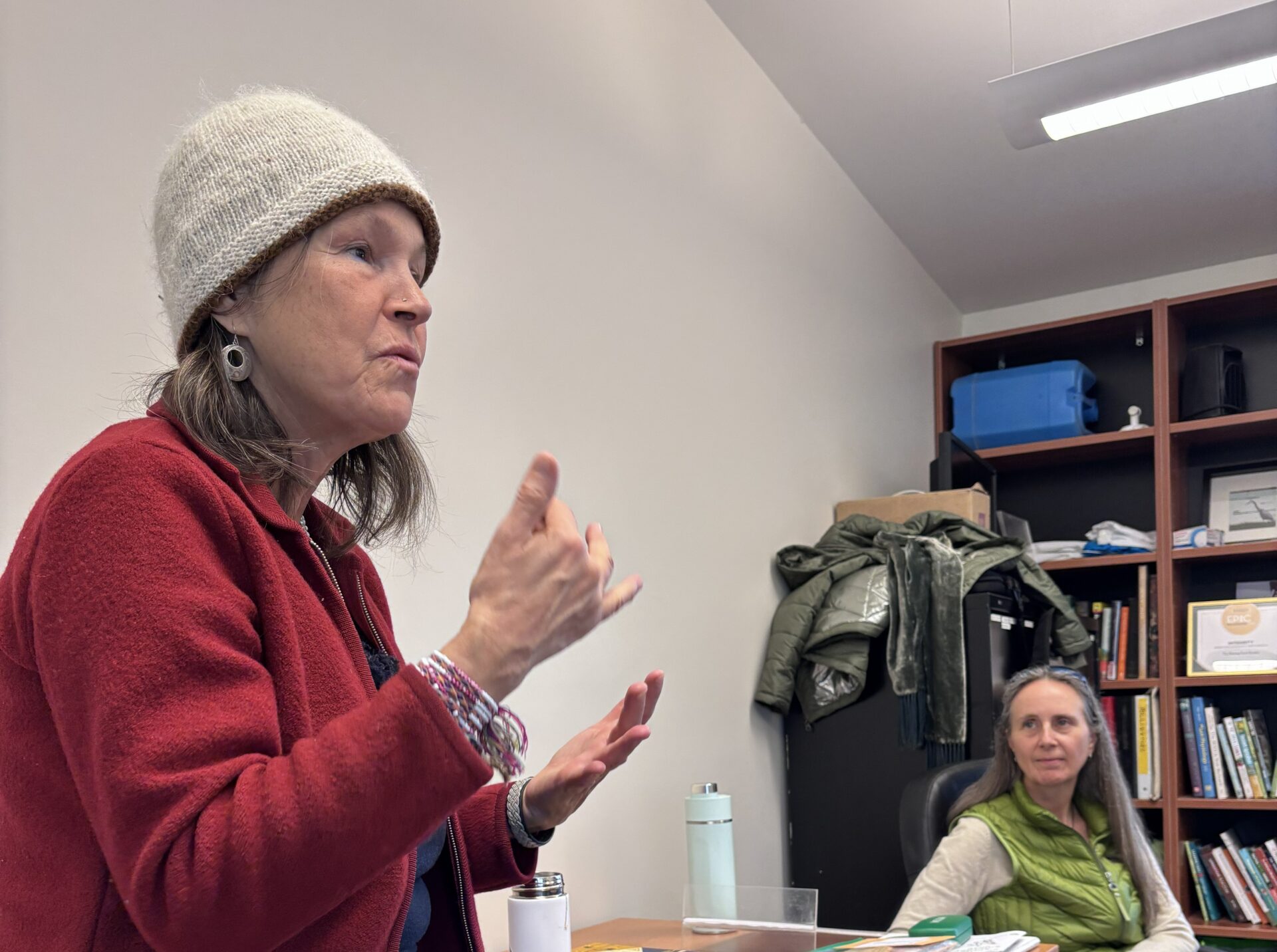
Metis herbalist LoriAnn Bird discussed the importance of developing reciprocal relationships with the plants around us. Seed-saving demands deep observation and respect for plants. Seed-saving and propagating native plants are a crucial way to steward native ecosystems, taking care of the places that take care of us.
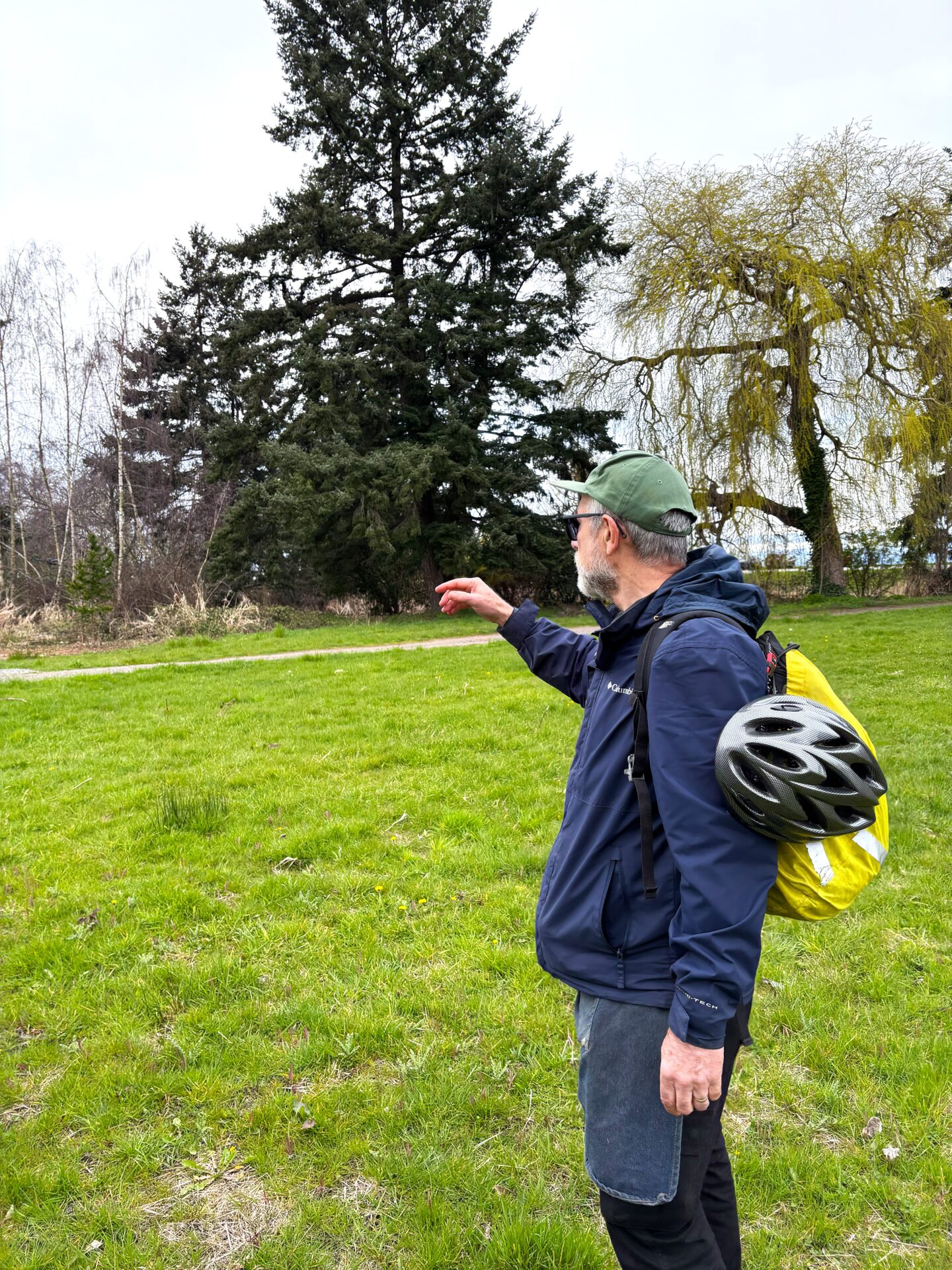
Bruno Vernier from the Garden City Conservation Society took us for a walk to the Miyawaki Mini Forest – a fast-growing ecosystem designed to pack lots of native biodiversity into a small public park space. The Miyawaki Method spaces native plants densely so they grow more quickly to compete. The result is a lush thicket of red currants, cedars, willows, and more.
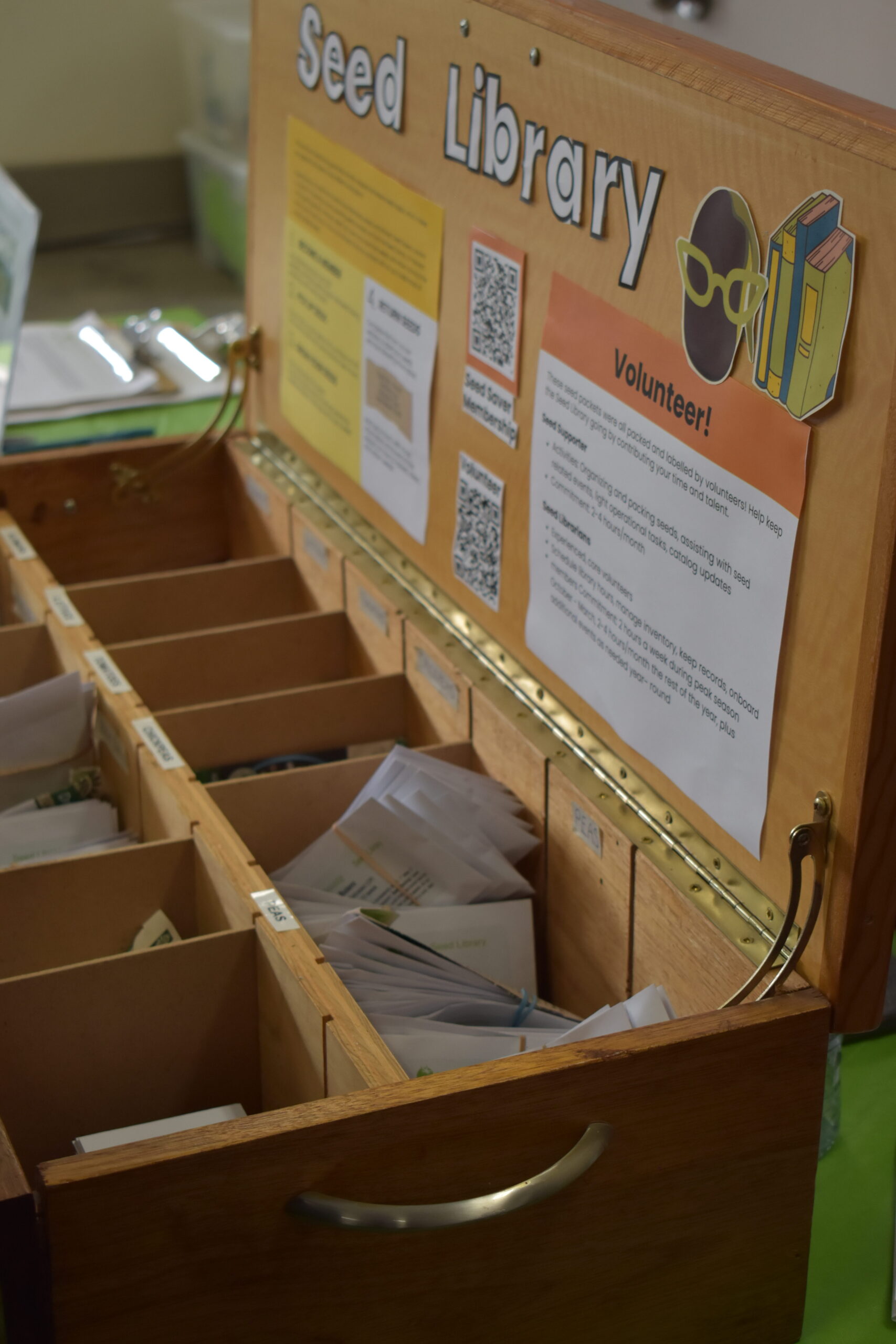
Cheney Creamer, Urban Bounty’s Executive Director, delivered two workshops: one on the basics of seed saving, and another on how seed libraries work for seed security.
Urban Bounty’s Seed Library is stocked with local seeds available to Seed Saver Members, who commit to growing seeds to save. Membership costs $25 for the year to help cover the costs of our seed program, but please reach out if you are interested in participating and cost is a barrier.
Sign up as a seed-saver here: https://forms.urbanbounty.ca/forms/seed-saver-membership
👉Interested in seed saving but don’t know where to start? Reach out to us via our contact form with your questions and we can help get you started!
By saving and sharing seeds, you’re helping preserve biodiversity and ensuring future harvests for our communities.
Growing in Community
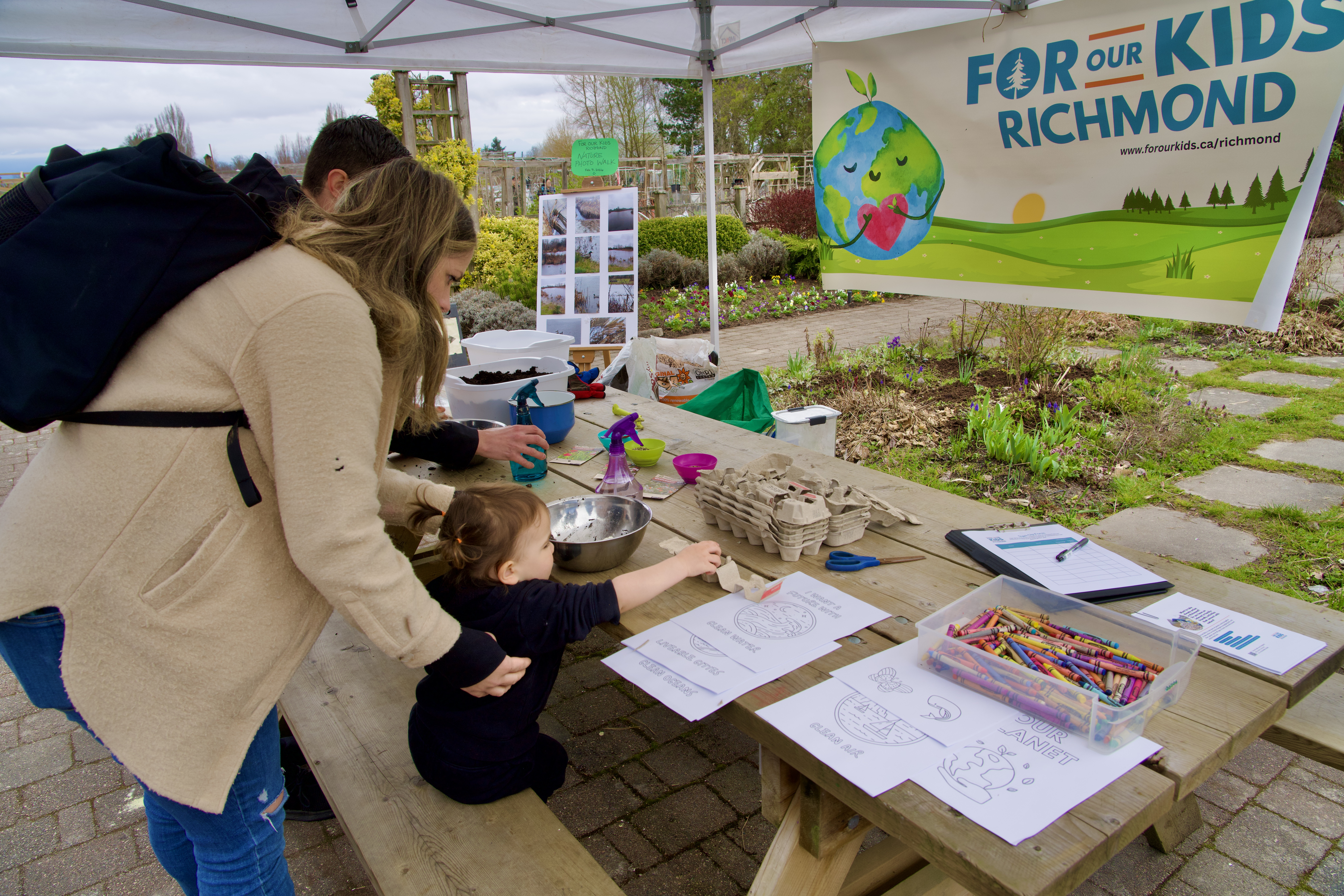
For Our Kids Richmond is our local chapter of a national, parent-led climate organization. They set up a DIY seed ball station to spread pollinator blooms around Richmond! These balls of clay and compost are filled with native wildflower seeds are a fun, portable way to bring more life into urban spaces.
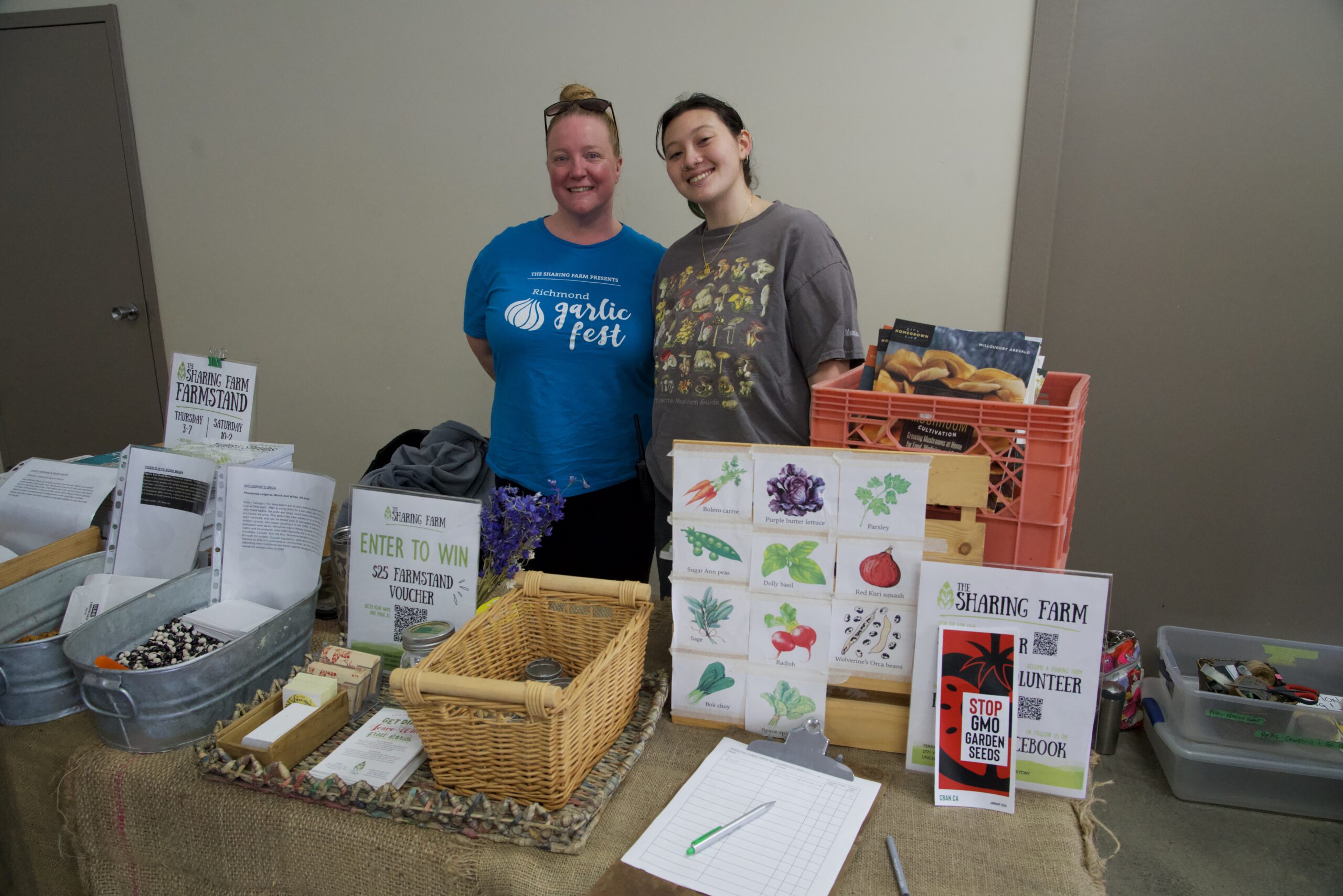
The Sharing Farm is a nonprofit farm, which also grows on land at Terra Nova, with a mission to increase access to fresh, local food. They told Seedy Saturday attendees about opportunities to volunteer, purchase vegetables, and displayed a gorgeous selection of heirloom bean varieties.
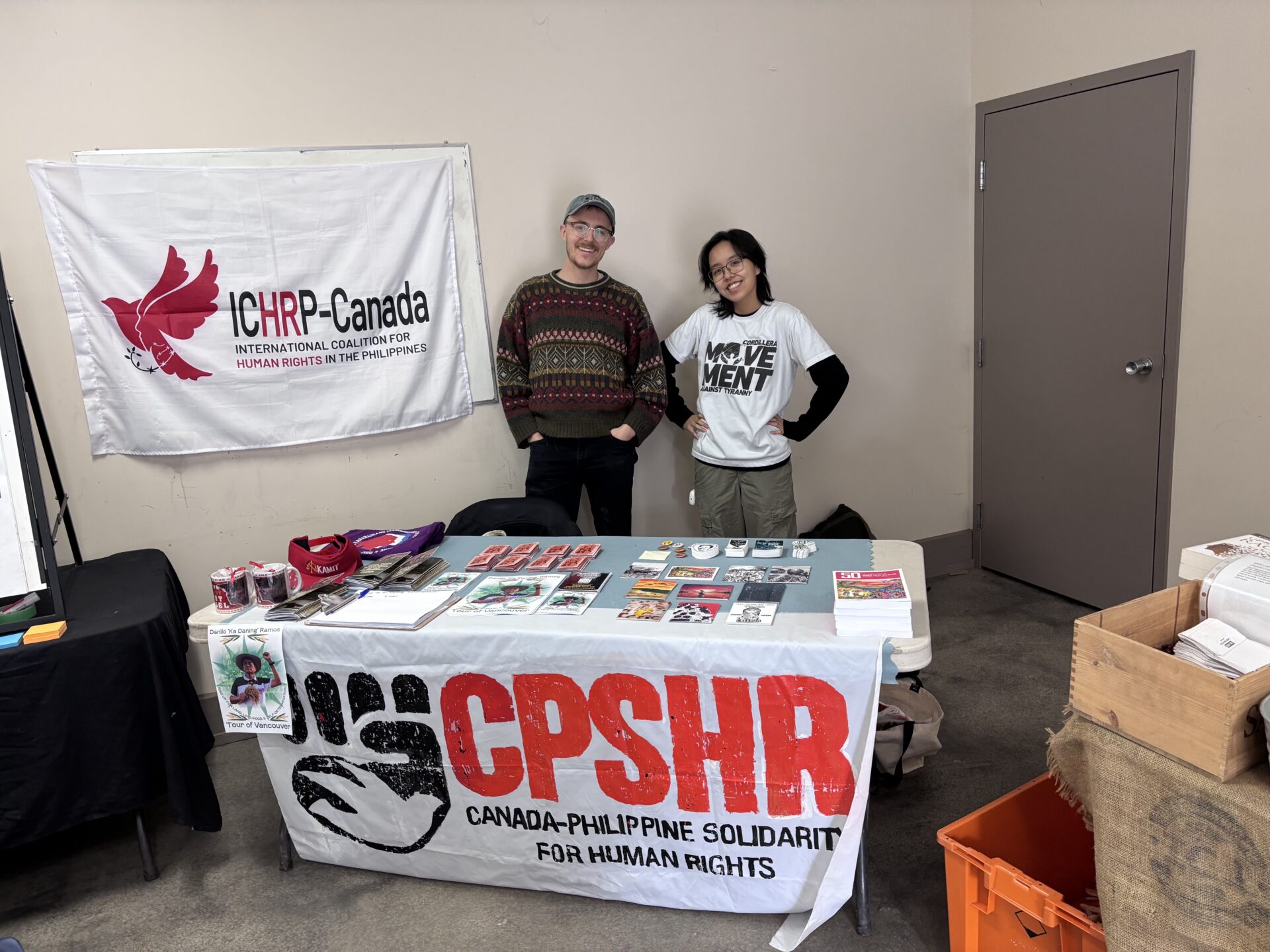
Canada-Philippines Solidarity for Human Rights (CPSHR) shared information and materials about farmworkers in the Philippines who have been dispossessed of their land by multinational agribusinesses and seed companies. Hybridized seeds sold by international seed companies are genetically engineered to be impossible to save from year to year, eroding farmworker autonomy. Listening to the stories of landless workers is the first step towards understanding the injustices in the global seed supply, and growing towards something more equitable and sustainable. Learn more about CPSHR’s work here!
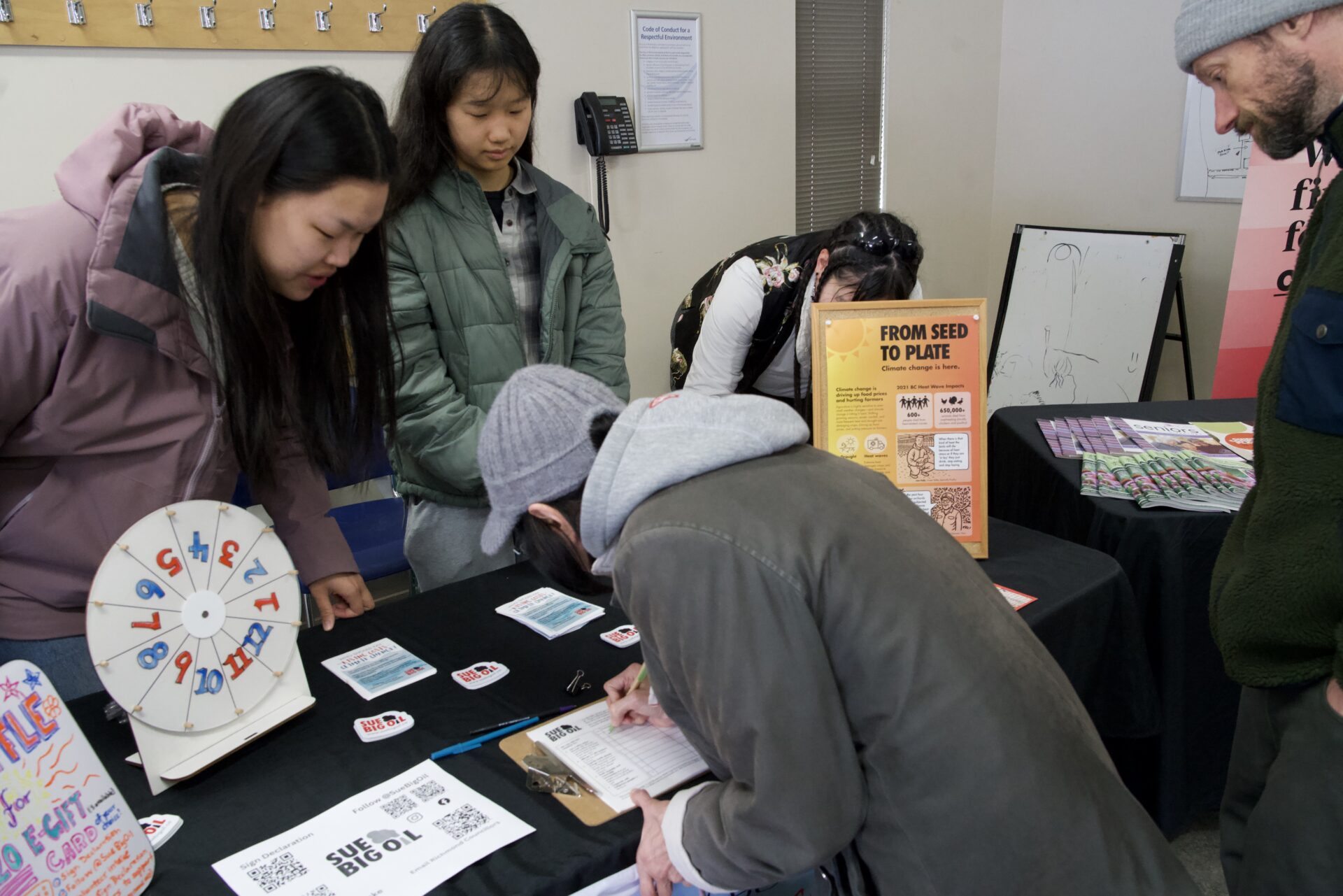
Sue Big Oil volunteers discussed how climate change threatens our food system, agricultural sector, and grocery bills. Who should pay for the steep costs of climate adaptation? The Sue Big Oil campaign says that the international oil companies responsible for the problem should pay their fair share. Learn more about their work and sign up for the movement here.
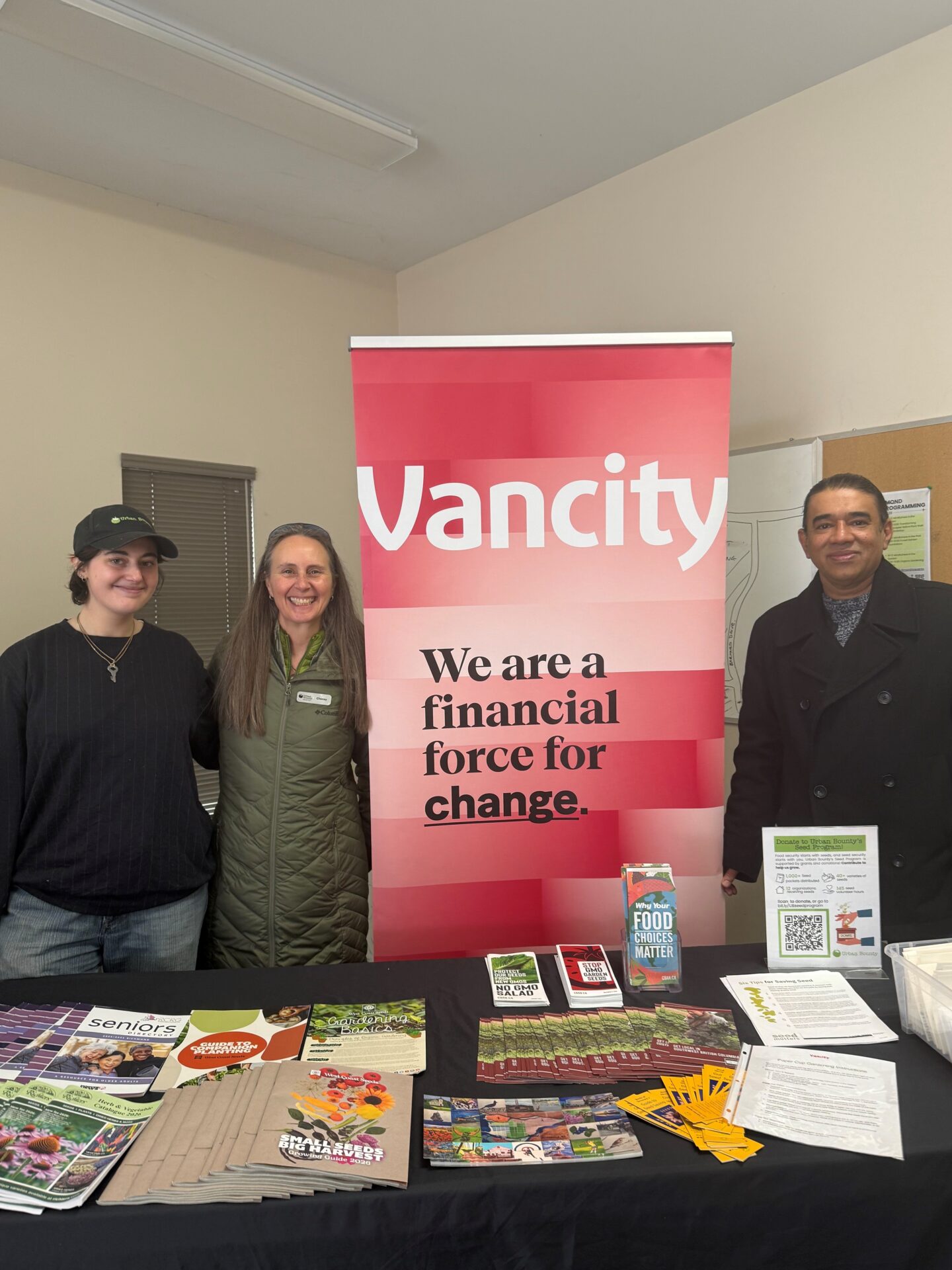
The event was also supported by Vancity, who provided pea seeds for paper-cup gardening at Seedy Saturday! Plant seeds in paper cups and keep them watered on your windowsill to get fresh pea tips in a couple weeks, to eat as greens. Donors and sponsors like Vancity make events like Seedy Saturday possible! Please consider donating, or reach out about our event sponsorship options, to help us grow!